I believe that publicity is important, because publicity is one of the primary ways that give people visibility into the event we are inviting them to.
What Good Publicity Means to Me
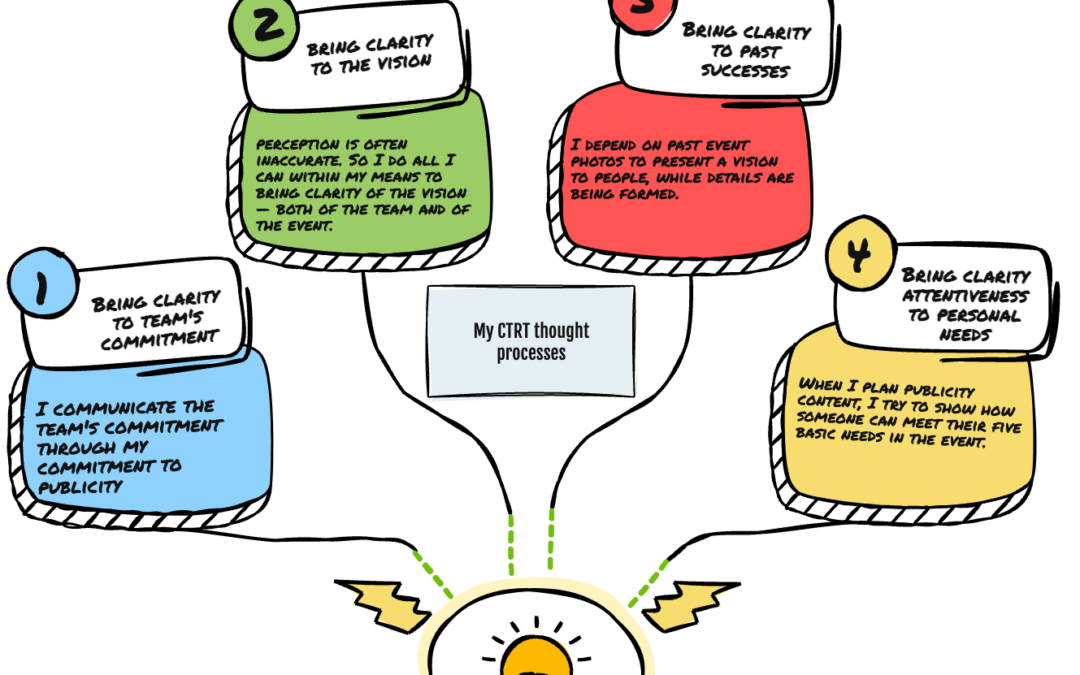
I think publicity means an accurate representation of the team and the event.
Why I Put in the Effort
The reason I emphasise putting effort into publicity is that it’s through publicity that I’m communicating the effort of the team. I usually release more than one publicity material for any event that I’m giving information on.
Shifting Perception with Choice Theory
From a Choice Theory perspective, I know that perception is often inaccurate. So I do what I can within my means to bring clarity — both to the team and to the event.
How Our Senses Shape Perception
According to Choice Theory, we interact with the real world — things and people that exist — through our five senses: sight, hearing, touch, taste, and smell.
Some of us rely more on our sight than our hearing, while others may be the opposite. For example, with Famous Amos, we often engage with the fragrance of the cookies through our sense of smell before we even see the store.
Engaging the Senses Through Publicity
Therefore, in my publicity, I usually release 2–3 publicity posts to engage with the senses. If that’s not possible for me because of timeline issues, then I try to be a little more intentional about also speaking to people about the event.
When There’s Not Much to Show (Yet)
At the planning stage, there isn’t much to present through publicity — because the event is new, or the team is new, and we haven’t figured everything out.
And that’s ok.
I depend on past event photos to present a vision to people.
It’s also the reason I attempt to take photos of recurring events — so that next year’s publicity team can use them.
Starting with Vision and Goals
One thing I like to ask the team is: “What’s your vision? What are your goals?” These are important questions — not just for us, but also for the people we are inviting.
When we are clear, then they can check in with themselves and decide whether they align with the goals.
Being Authentic with Our Beliefs
For someone new to the event, they may not find value in the goals — and that’s fine too. Presenting our beliefs can also be a way to be authentic and clear about who we are and what we care about.
Publicity That Speaks to the 5 Basic Needs
When I plan publicity content, I try to show how someone can meet their five basic needs in the event:
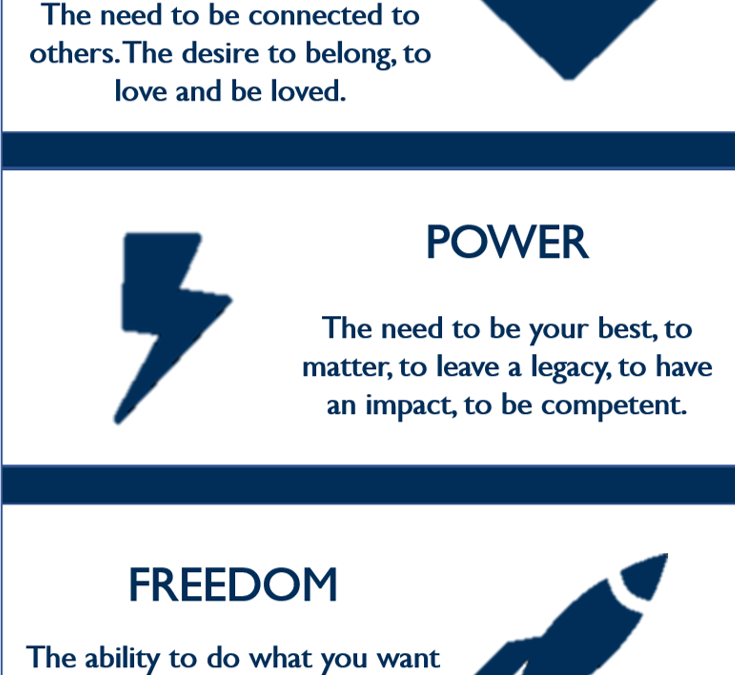
Power – What can the member achieve in the event? I clarify this with the team by revisiting our goals and trying to think from a participant’s point of view — especially spiritual goals.
Love and Belonging – Community is important, so I usually show more group photos to reflect that connection.
Freedom – If there’s a loose schedule with room for personal time, I include that too.
Fun – I might feature games that have been played before or moments of joy the team experienced.
Survival – I highlight the basic comforts like rest, food, and safe spaces.
Sharing Quality World Pictures
I’m sharing quality world pictures by showing these types of content. Each quality world picture, when fulfilled by the person, can meet two or more basic needs.
For example, a dinner at a loklok place — that usually meets Love and Belonging, and Survival. It’s not just food, it’s connection over food.
Photos of the team planning together usually help, because they communicate perspective—real people planned the event with care.
When Details Are More completed
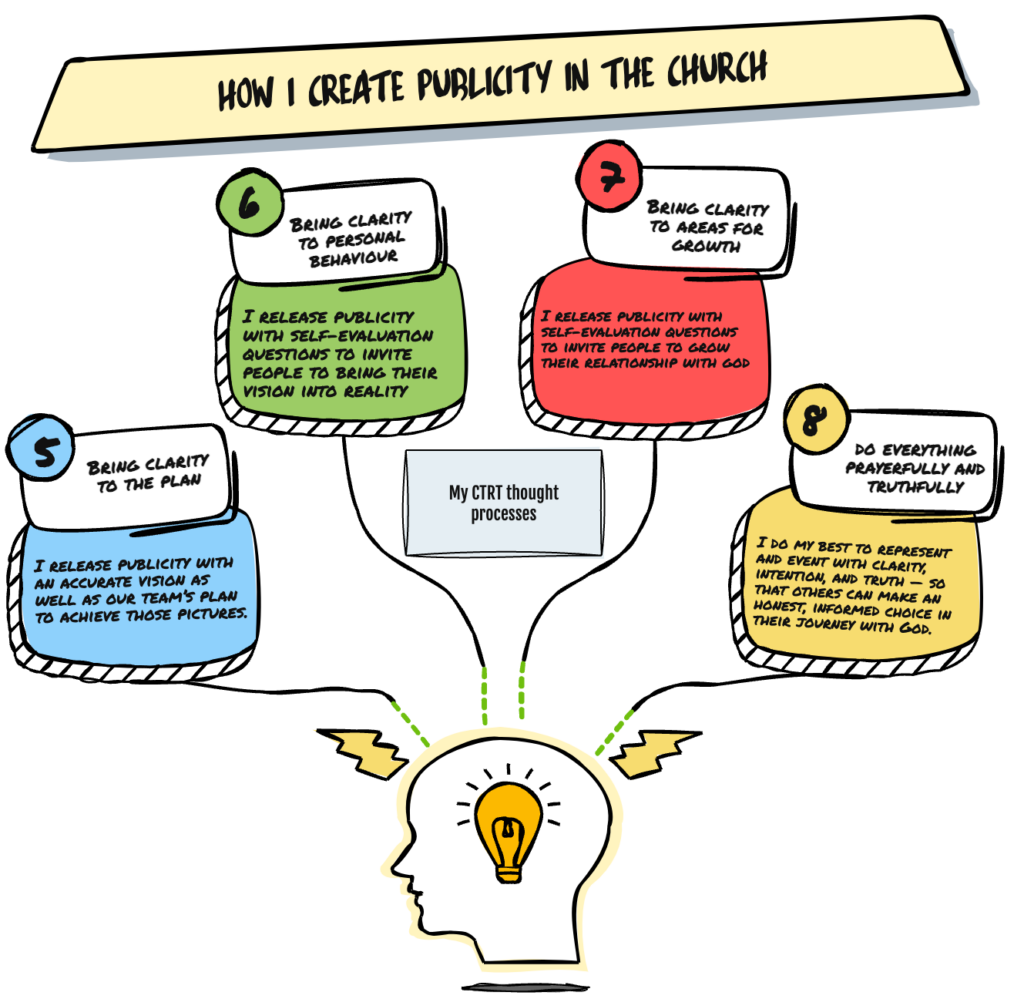
Later on, when the details are a little more completed, I release more publicity with accurate quality world pictures, as well as our team’s plan to achieve those pictures.
This is important for the people who have a high need for Survival — they want to know the structure, the schedule, the logistics. Clarity helps them feel safe enough to consider joining.
When It’s No Longer About Perspective
When I’ve done all that I can to address both perspective and what we hope to achieve, there will still be some who hold back.
Then, it’s not a matter of insufficient perspective given, or not enough quality world pictures. It becomes a behaviour matter.
Some people have had negative experiences. Some people sit on the fence, regardless of the information presented.
Everything up to this point that I’ve shared is from Choice Theory.
Choice Theory is also known as Choice Theory and Reality Therapy (CTRT). The Reality Therapy part comes in the form of asking questions — questions that help people turn their vision into reality.
Asking Questions That Return Power
Choice Theory also calls these kinds of questions RDWEP questions.
For now, I’ll just focus on E — which stands for Evaluation.
E questions help a person self-evaluate whether what they are doing is realistic, responsible, or right. E is not for us to judge others. When we ask these questions, we are putting the power back into the person’s hands — so that they can weigh their own choices.
For example:
“Is sitting on the fence helping or hurting you to get what you want?”
Or, a more specific version:
“Is holding on to your experience helping or hurting you to have the future that you want?”
And for a Christian who’s wrestling with a decision:
“Is continuing to do what you are doing helping or hurting your relationship with God?”
A Reflection — Staying Connected to the Vine
This verse addresses connection with God as the source of life and fruitfulness.
“I am the vine; you are the branches. If you remain in me and I in you, you will bear much fruit; apart from me you can do nothing.” — John 15:5 (NIV)
That question — “Is doing this helping or hurting your relationship with God?” — prompts the person to evaluate whether they are remaining (abiding) in Him.
The choices we make either draw us closer to the Vine — or disconnect us from Him. And Jesus is clear: even if we appear busy or successful outwardly, apart from Him, we are ultimately unfruitful.
My Final Word — The Questions I Ask Myself
The E questions I ask myself when I do publicity are these:
Is sending out a simple text as publicity realistic or not realistic to bring clarity to God’s glory?
In putting in the effort to paint an accurate picture of the event, am I being responsible or irresponsible with myself and others?
These questions help me stay aligned with what matters most to me. Not just sharing about an event, but representing it with clarity, intention, and truth — so that others can make an honest, informed choice in their journey with God.
If my publicity is to glorify God, then I must also represent my Christian values in what I do.
Leadership isn’t about having a title or giving orders—it’s about guiding people in a way that helps them take ownership of their choices.
Choice Theory breaks leadership down into four key roles: manager, teacher, Counsellor, and friend.
Each role contributes to an environment that fosters intrinsic motivation rather than relying on external pressures.
The church recognises leadership through three key roles: leader, shepherd, and mentor.
While these frameworks come from different perspectives, there’s a lot of overlap. Both aim to influence, not control. I aim not to judge completeness, but to show how both approaches enhance leadership spiritually and in one’s character.
A Manager makes sure there’s structure—setting expectations, creating clarity, and removing obstacles so people can do their best work. This prioritises equipping individuals, not manipulating results.
That lines up with the Leader role in church. A leader sets the direction, keeping people focused on the bigger picture. Leadership isn’t just about making decisions; it’s about making sure people understand why those decisions matter.
How I’ve Practiced This
One way I’ve worn this hat was when I helped organise opportunities for others to lead within my cell group.
Instead of assigning roles, I structured the environment so people had the freedom to step up on their own terms—whether through leading prayer, taking charge of discussions, or organising events.
A Teacher doesn’t just give information—they help people see things differently. Transformation stems from perspective shifts, not new information.
That’s the heart of mentorship in church leadership.
Mentors offer more than instructions; they walk alongside them, helping them apply wisdom in real life.
How I’ve Practiced This
In my Growth as a Christian – Perception Shift and Behaviour Shifts article, I talked about how understanding internal control psychology changed how I saw spiritual growth. Instead of thinking that knowing more scripture alone would change me, I started paying attention to my actions and thought processes.
This same approach shaped how I mentored others—I guided discussions in a way that helped them see their own patterns of thinking and behaviour, rather than just telling them what to do.
Both roles focus on guiding, not dictating—helping people discover truth in a way that sticks.
3. Counsellor (Listening and Guiding) & Shepherd (Caring and Nurturing)
Counsellors here, guide reflection, facilitate challenge resolution; they don’t dictate solutions. The goal isn’t to fix problems for them, but to guide them toward their own solutions.
That aligns with Shepherding in church leadership.
A shepherd’s role is to care, nurture, and guide, not to micromanage people’s spiritual growth.
Shepherding means accompaniment, not control; it’s sharing struggles, like Jesus.
How I’ve Practiced This
I’ve had moments where I’ve guided people through tough seasons in their faith—not by giving them immediate answers, but by asking them the right questions.
When someone struggled with doubts or personal challenges, I found that holding space for their thoughts and letting them talk it out often led to their own realisations.
They didn’t need me to tell them what to do—they just needed someone to listen, reflect their thoughts, and encourage them in the right direction.
Both roles focus on support and guidance—helping people grow by creating a space for them to choose the right path.
4. Friend (Building Trust) & A Foundation for All Roles
The Friend role in Choice Theory is about authentic connection. Leadership isn’t just about responsibility; it’s about trust. People don’t follow because of authority alone—they follow because they trust the person leading them.
The church doesn’t define “Friend” as a leadership role, but it’s the foundation for all three—Leader, Shepherd, and Mentor.
Distant leadership results from a lack of trust. Without relationship, mentoring feels forced. Without connection, shepherding is just management.
How I’ve Practiced This
I saw this most clearly when I started serving alongside people, rather than leading from a distance.
We built relationships not through grand gestures, but through consistency and shared experiences—whether by preparing materials, setting up events, or being present in everyday moments.
I realised people didn’t follow because of leadership titles—they followed because they knew I was in it with them.
Two Perspectives, One Goal
While Choice Theory’s Four Hats and Church Leadership’s Three Roles describe leadership differently, they share the same core truth—real leadership is about influence, not control.
A leader provides structure and vision, but not through force. A teacher and mentor guide, but not by dictating. A counsellor and shepherd support, but without taking over. A friend connects, but not to manipulate.
Leadership is about building trust, guiding with wisdom, and empowering people to take ownership.
The more we understand these roles, the better we can create an environment where people grow—not because they’re pushed, but because they’re inspired.
Human behavior is driven by five fundamental needs (not to be confused with maslow hierarchy of needs) as outlined in Choice Theory: Survival, Power, Love and Belonging, Freedom, and Fun. These needs shape our choices, interactions, and the way we engage in different environments.
Survival is the most primal need and often the most apparent in early childhood—like a baby crying for food. As we grow, the other needs become more prominent in our daily lives, influencing our relationships and commitments.
How Each Member can Meet Their Needs in a Cell Group
Our basic needs are met when we fulfil a picture in our head that is satisfying to us.
During a cell session, members are usually able to meet two primary needs depending on the group dynamics:
The picture that I have of a cell, is where I am able to share, knowing that there is confidentiality, and that people care about what I’m sharing.
Survival – The cell provides a safe space where members feel secure to share and reflect.
Power – Members experience growth as they learn about the Word and deepen their faith.
Love and Belonging – This is partially met when members pray for and encourage each other.
However, with only two hours in a cell session, time is limited. Not every member may have all their needs met within that setting. Furthermore, we can only meet our own needs; expecting others to meet them for us would be a form of rescuing. The only one who fully meets our needs is Jesus—our true Saviour.
What Happens When Needs Aren’t Met?
Our needs can be ignored temporarily, but they must be eventually satisfied.
When individuals are unable to meet their needs in a given environment, they naturally seek fulfilment elsewhere.
For example,
Someone who cannot express themselves freely at home may do so in friendships or at work.
In a more challenging scenario, unmet needs in marriage can lead to unfaithfulness as individuals look outside their covenant for fulfillment.
As you can see, there are both responsible and irresponsible ways to meet our needs.
The definition of responsibility is as such:
In my attempts to meet my needs, I do not prevent another person (or infringe on their rights) from having the same opportunity to meet their needs as well.
A simple picture to understand of responsibility – in my sharing during cell, I also give other people time to share.
Why Fellowship Matters Beyond Cell Sessions – Responsible platforms aligned to the faith
This is why I prioritise fellowship opportunities, like the JB trips. Extended time together allows for:
Love and Belonging – Members can both love and receive love in a natural and unhurried way.
Fun – Enjoying activities together meets the need for personal and shared enjoyment.
Community Beyond Church Walls – A chance to build relationships outside structured church settings.
It doesn’t have to be complicated – just find something that we enjoy doing together (like board games, one day museum outings), and let the relationships grow.
I believe that if we have a culture of meeting our needs with community, we are meeting our needs through experiencing an intangible God through God’s tangible people.
The Risk of Limiting Cell to Just Lessons
If the cell journey is reduced to structured lessons without considering these needs, members will still seek to have their needs met—just that they are met outside of the cell.
That is why intentional planning is necessary.
By acknowledging and supporting these fundamental needs in our gatherings, we cultivate a cell experience that is fulfilling not just for the members, but also for those leading the group.
A satisfying cell experience considers the whole person, not just their learning.
When we take these needs into account, we create an environment where people grow, connect, and find joy in both God and community.
Final Thoughts
I’ve seen how understanding the basic needs plays a role when planning publicity for a church camp, event, or retreat. By sharing publicity that highlights how a participant may fulfill their needs, I hope to connect with them more effectively.
I’ve also witnessed how applying the understanding of basic needs was helpful in organising events.
When I intentionally create opportunities for attendees to meet any of their five basic needs, I have hope that events are more satisfying, leading to recurring sign-ups after the initial publicity.
In the example of church camps— if the organiser packs the schedule with loads of content that is catered for growth (and support people to meet their power need), but do not cater for time to rest, then they are not also supporting people in meeting their need for rest.
Young Adults often power through their life, while ignoring their basic need to rest, resulting in behaviours associated with burnout – like withdrawing, disengaging etc.
We will do well to avoid unintentionally replicating the same pattern in our various communities : focusing on some needs, and ignoring the others.
When I think about creating a cell group that feels relevant in today’s secular world, I’m reminded of the times we struggled to identify which Bible verses or lessons could truly speak to someone’s workplace challenges or their place of pain.
We often hoped for fellowship moments that could fill the gaps we felt in our daily lives, but relevance has never been a one-size-fits-all approach.
In our context, especially here in Asia, we often don’t openly share our burdens. Vulnerability doesn’t come naturally, and asking for help can feel uncomfortable.
Sharing burdens isn’t just a way to support each other—it’s a way to build relevance within the group.
But this doesn’t happen overnight.
There’s a time and space to grow toward it.
For many of us, that growth starts small—by encouraging each other to share prayer requests regularly.
Through this, trust is built, and the group slowly becomes a safe place where burdens can be shared more openly over time.
That said, relevance doesn’t have to wait until people feel ready to share deeply.
Leadership plays a key role in creating relevance by starting with something simple: listening to what’s important to each person.
When members are invited to share what matters to them—their struggles, hopes, or even what is exciting to them—that’s when the first seeds of relevance are planted.
Relevance isn’t imposed; it’s built through relationships.
When members feel heard and valued, they develop internal motivation to engage with the group. They come not out of obligation, but because it genuinely matters to their lives.
The process involves creating space for shared purpose. When people can see their priorities reflected in the vision of the group, they start to feel connected.
What feels meaningful to one might not immediately resonate with another, but as we expand the areas of overlap—where our individual “quality worlds” begin to align—something beautiful happens : our perspective of cell transforms from being just another activity into a place that feels personal and significant.
And the foundation of all this is listening—not surface-level listening, but the kind that goes deeper, that values what’s being said and seeks to understand.
Leadership in the cell group isn’t about perfecting programs or lessons; it’s about weaving the unique stories of the people in the room into the life of the group.
Final Thoughts
In the secular world, where there are already so many things that are relevant to each of our lives, having hope that a cell can relate to a member at all starts with conversations. These conversations should explore life goals—goals that feel achievable through participating in a cell.
Relevance isn’t built all at once, but step by step. It begins by showing members that the cell is a place where their lives, goals, and faith can intersect meaningfully. When that happens, cell becomes more than just a meeting—it becomes part of their lives.
Fellowship starts small, grows through shared experiences, and extends outward into meaningful relationships.
Over time, we’ve intentionally created opportunities to connect with one another, our families, and the wider church community. These activities have been part of our journey in learning to relate better and care more deeply, and I hope they inspire you too.
The important thing for us was that we didn’t do everything at once.
Our cells were new to this way of fellowshipping, so we paced ourselves, trying out what made sense and worked best. These events were often discussed and negotiated, based on readiness and what we could manage together.
First Level: Fellowship Within the Cell
We began with the cell group, focusing on connecting and learning how to care for one another.
Examples of Activities We Did:
Johor Bahru (JB) Trip: A 3–4 day getaway where we worked together on practical things like planning meals and traveling. These shared moments deepened trust and grew our bonds.
Cell Board Games: Casual game sessions during the day where we laughed, shared, and got to know each other better.
Christmas Celebration: A cell-only celebration that helped us enjoy the festive season in a meaningful way.
CNY Decoration: We prepared lou hei and made couplets that reflected our faith, bringing biblical truths into our celebrations.
Bird Park Visit: A simple outing to bond, and create shared memories.
K-Dance Session: We hired a dance instructor to teach us a BTS routine, which was a fun way to challenge ourselves and strengthen friendships.
These small but intentional steps helped us build trust and a sense of belonging.
Second Level: Fellowship Beyond the Cell (with Other Cell Groups)
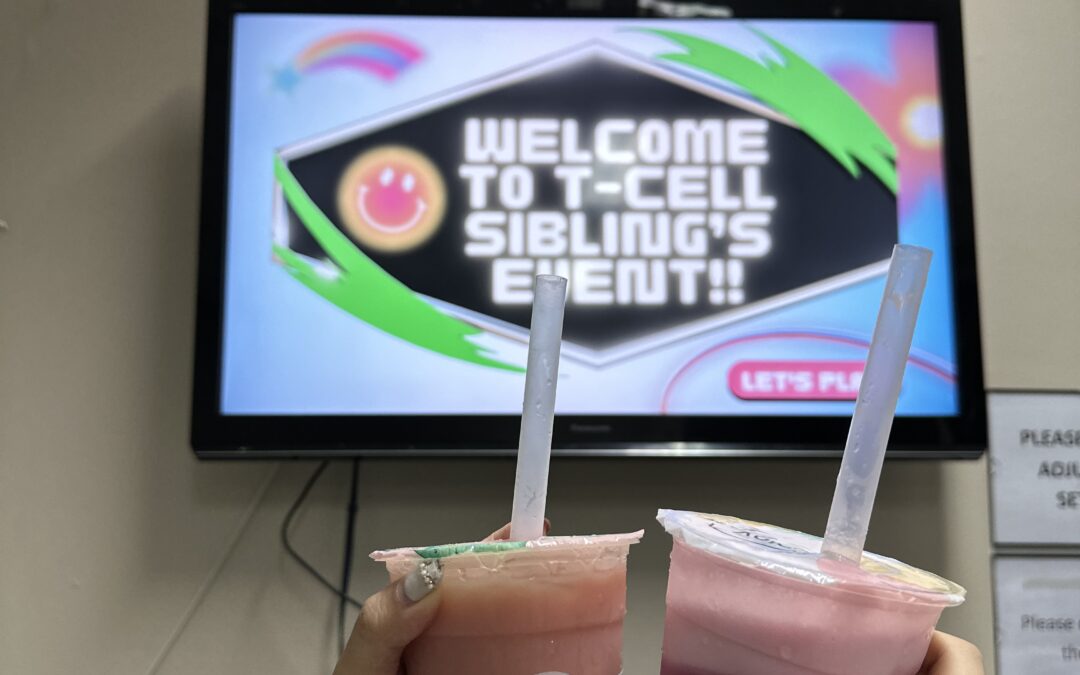
As we grew closer within the cell, we started connecting with others in the church. Collaborating with another cell group (T-cell) opened new opportunities to build relationships while staying rooted in the ones we already had.
Examples of Activities We Did:
Board Games: Hosting a fun gaming session gave us the chance to share laughter and create a welcoming space.
Pulau Ubin Day Trip: We spent a day outdoors exploring and connecting in meaningful conversations.
Keppel Hill Reservoir Hike: Hiking together allowed us to enjoy nature and bond with others.
Cookie Making: A baking session helped us work together in a fun and interactive way.
Willing Hearts Singapore: Volunteering to help with food preparation taught us to serve together and showed us how practical acts of love can make a difference.
Church Retreats: Being part of retreats brought people from different cells closer through shared experiences and group discussions.
Third Level: Fellowship with Friends Outside Church
The next step was reaching out to our friends outside of church—people we hold dear, such as spouses, colleagues, classmates, and relationship partners. These events were inclusive, bringing together believers and pre-believers in spaces where everyone felt safe to connect and share.
Examples of Activities We Did:
Batam Events: Day trips to Batam were planned to relax and connect. During one trip, we stayed at an Airbnb villa, had a bbq, and ended the evening with fireworks. These moments helped us bond in a lively and memorable way.
Good Friday Events: Holding board games after Good Friday services allowed us to invite friends into meaningful conversations about faith and life.
Fourth Level: Fellowship Beyond the Local Church
Taking things further, we stepped out of our local church to see God’s work in another cultural context.
Examples of Activities We Did:
Philippines Vision Trip: Witnessing the work of God in the Philippines was humbling. During Sunday services, we saw people worshipping in spirit and truth with reverence reflected in their attire. Imagine long sleeves, dresses, long pants, even when there was a brownout.
Their simple yet profound faith in prayer often inspired me to trust God more deeply.
A Vision for Fellowship
Our journey of fellowship—from within the cell to beyond the church—has shown us the importance of intentional relationships.
Each step built on the last, strengthening our connections and growing our sense of community.
Final Thoughts
Why do I encourage organizing such events as much as possible?
Fellowshipping is something that takes intentionality.
God created us to fellowship with Him and with one another. If we aren’t doing this regularly, inertia can set in. It’s like exercising—start small, build up, and keep going. It’s not about the intensity but the consistency.
So, what am I trying to achieve through fellowshipping? A shifted perspective.
By stepping beyond myself, my cell, my church, and even my generation, I get to learn new things about people, faith, and life. And when I learn new things, I grow.
If growth is something your cell values, feel free to consider these ideas.